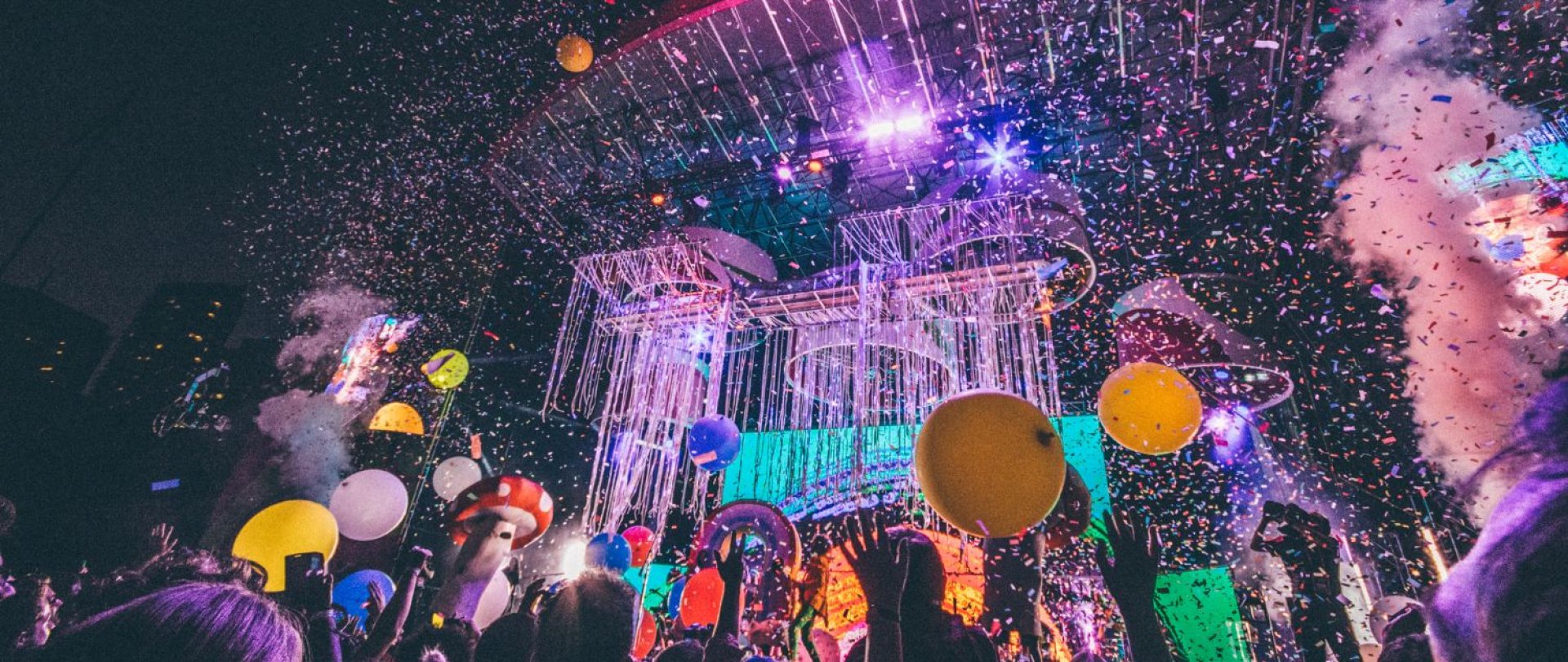
Attractions for teambuilding events in the mountains are more than just a substitute for a corporate dinner in a conference room – they are a way for the team to look at each other from a slightly different perspective.
The outdoor mountain setting changes group dynamics: shared effort and natural scenery spark conversations that never happen in the office. A well-chosen list of activities helps break down hierarchy, build trust, and provide an excuse for contact that later translates into everyday work.
Teambuilding events – still relevant
After years of experimenting with remote work, companies are investing in offline meetings again. However, the format has changed: instead of one large annual gala, more frequent and shorter formats are appearing, tailored to a specific team and budget.
The most common forms of teambuilding events today look like this:
-
Corporate kick-offs – the start of a year or quarter combined with goal setting and a 2-3 day trip.
-
Onboarding trips – for new employees and distributed teams, often the only opportunity to meet in one place.
-
Company anniversaries and smaller departmental celebrations organized outside the office to tear people away from calendars and notifications.
-
Strategic workshops with a teambuilding component – a substantive day and an evening spent together in a different mode.
These are no longer the same trips as a decade ago. Today, what matters is a specific goal and effect, not just the fact that the team went somewhere.
Attractions for teambuilding events in the mountains
The mountains offer what you won't find in a hotel on the outskirts of the city: space, physical effort, and an element of unpredictability. What works best for groups of a dozen to several dozen people?
Field games and quests are a classic. Teams solve tasks on a marked route, most often with a GPS app and outdoor checkpoints. They work well for 15-40 participants and naturally mix departments that don't talk to each other on a daily basis.
Regional workshops are a second direction. A lesson in playing the trombita (traditional folk horn), baking bread with a local baker, a carving course with a snowboarder, cooking together with a Beskid cuisine chef – each of these formats forces people to work in smaller subgroups. After such activities, someone always ends up with an interesting story to tell at the table.
Outdoor activities are chosen according to the season. In winter, horse-drawn sleigh rides in the valleys, cross-country skiing, timed downhill races, and night descents with torches work well. In summer – pontoon rafting, forest paintball, quad biking, or off-road vehicle rallies. Year-round, bushcraft workshops hit the mark: starting a fire without matches, orienteering with a map, building shelters from branches.
Evening feasts with a folk band are the cultural completion of the day. A short lecture on local traditions, a tasting of oscypek and sheep cheeses, learning a few steps of a highlander dance – these give the team a common topic that then returns in conversations for weeks.
How to tailor the program to the team?
It's all about proportions. Too tight a schedule tires and discourages, too loose leaves people on their phones with no excuse to talk. A proven layout is 60-70% of the time for planned activities and 30-40% for free time that people will manage themselves.
It is also worth thinking about different levels of engagement. Not everyone wants to go down a ski jump and not everyone wants to sit in a sauna. A program with 2-3 parallel tracks to choose from in a given block gives a sense of agency and accommodates people with injuries, dietary restrictions, or simply different preferences.
An underestimated element is logistics. Distance from the airport and major cities, available parking for buses, space for luggage, a room with a projector and stable Wi-Fi – with a 30-person group, any of these things can ruin the day if not checked beforehand.
A venue with attractions for teambuilding events
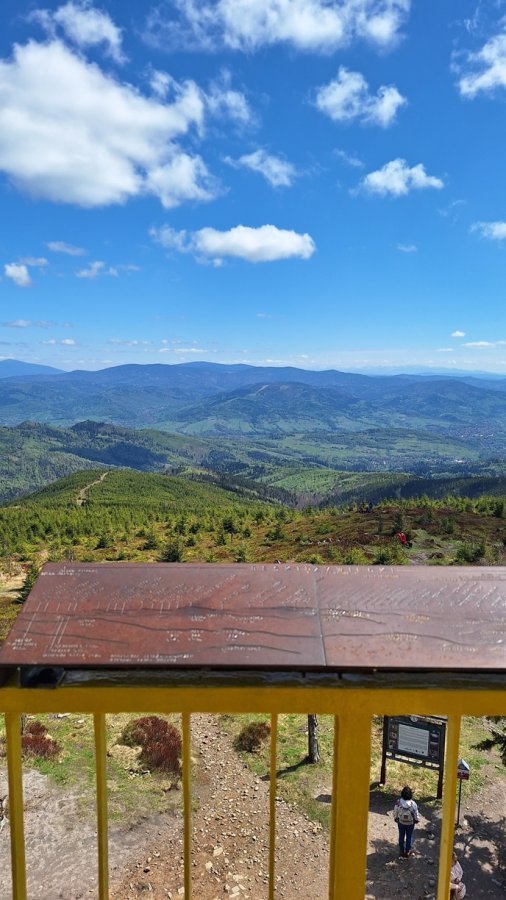
The Silesian Beskids (Beskid Śląski) are one of the most easily accessible getaway bases in southern Poland – you can get there from Katowice in about 80 minutes, and from Bielsko-Biała in half an hour. The Wisła Malinka valley simultaneously provides access to several ski stations: Cieńków, Klepki, and Nowa Osada.
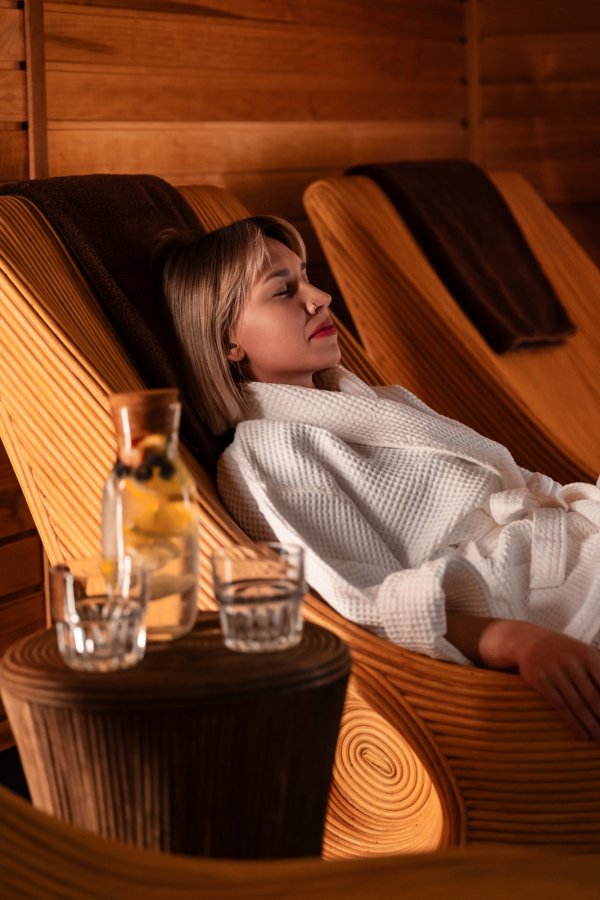
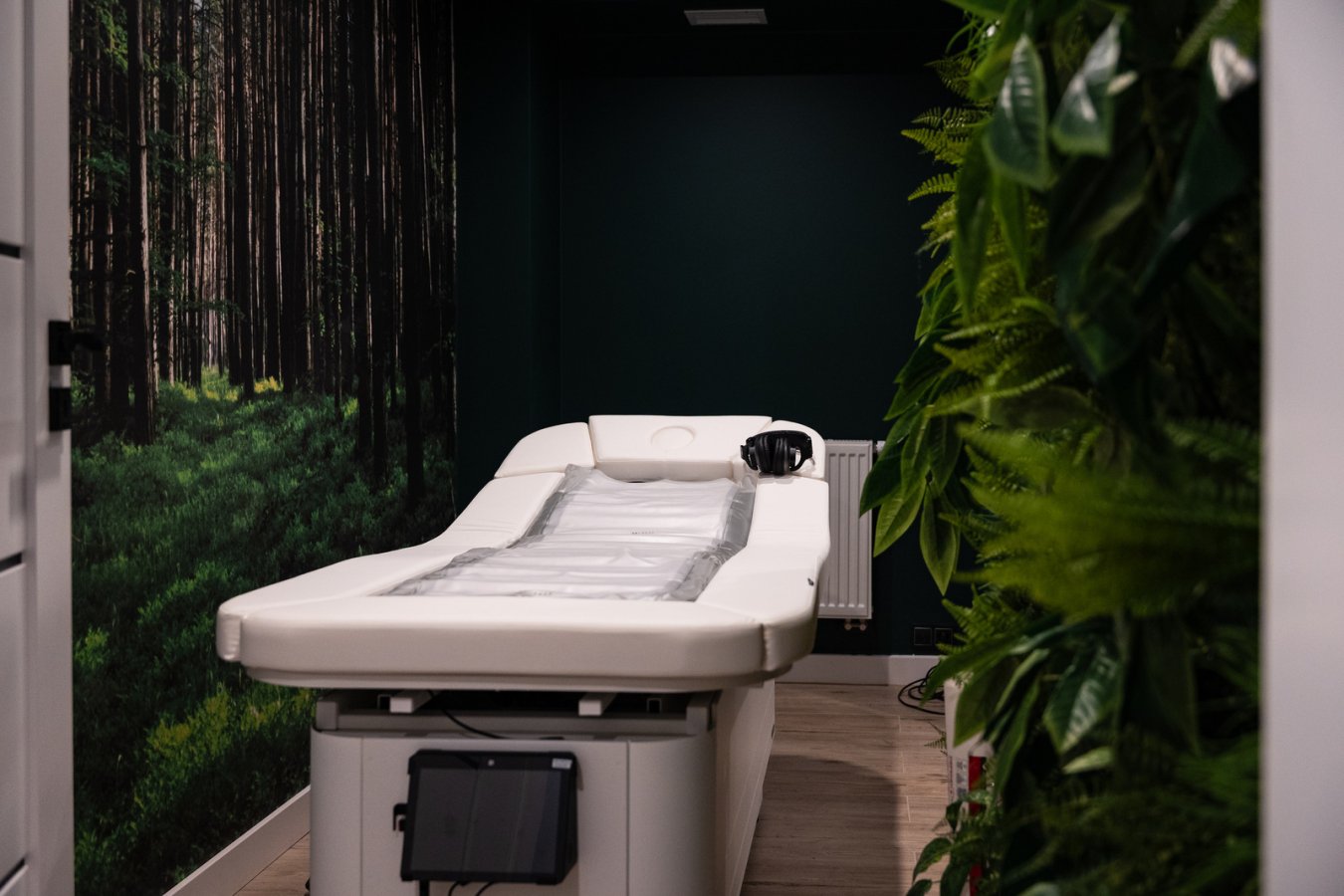
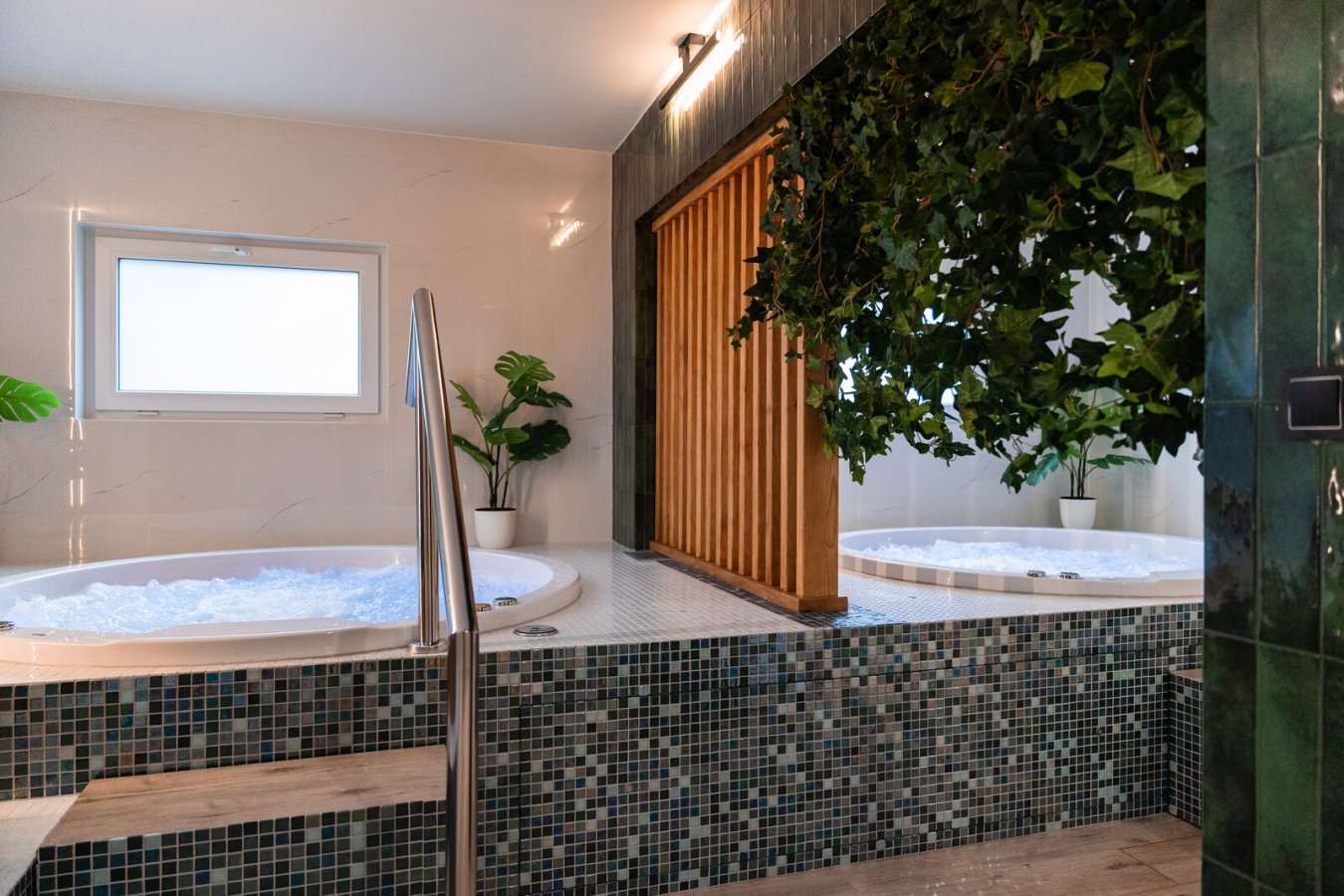
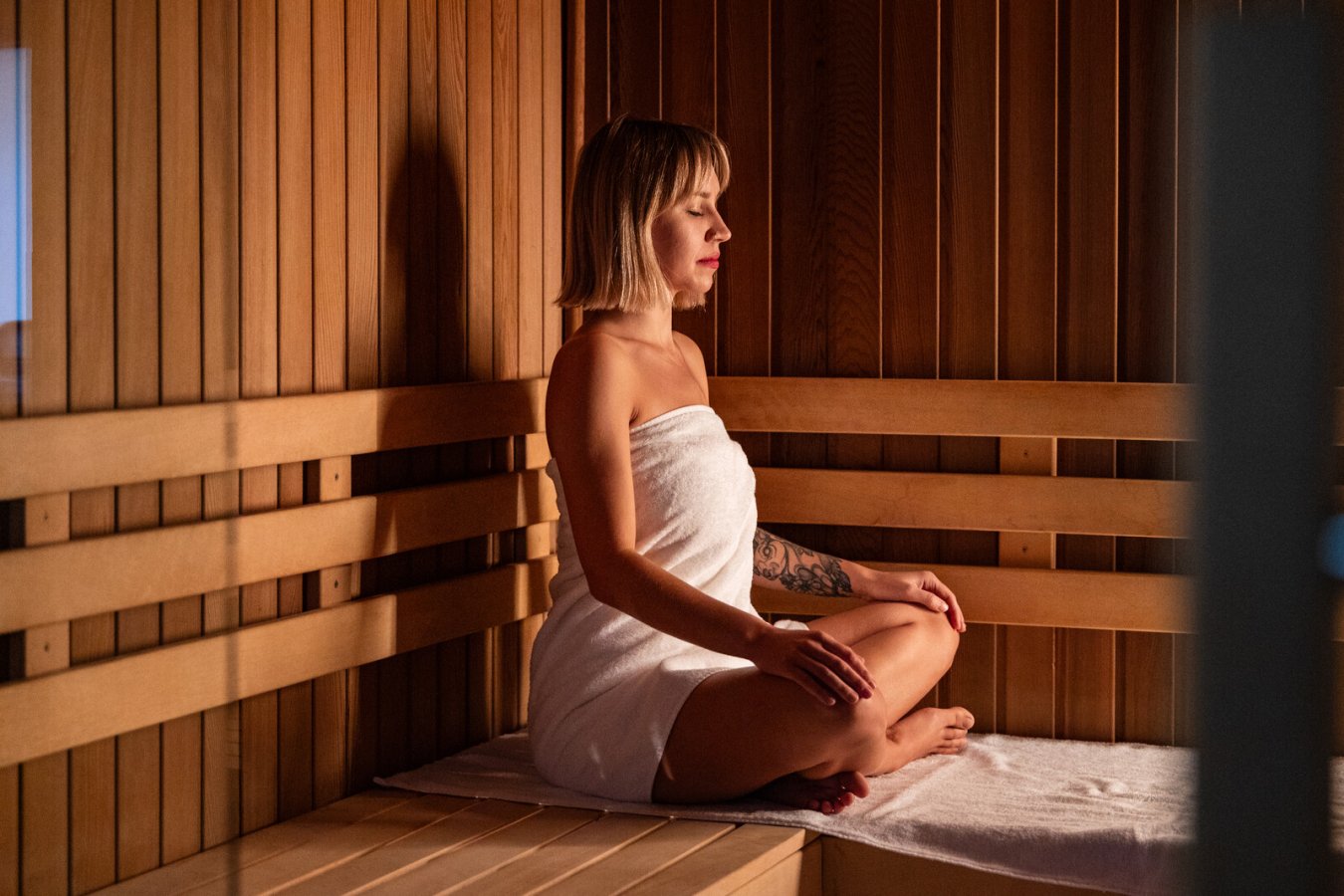
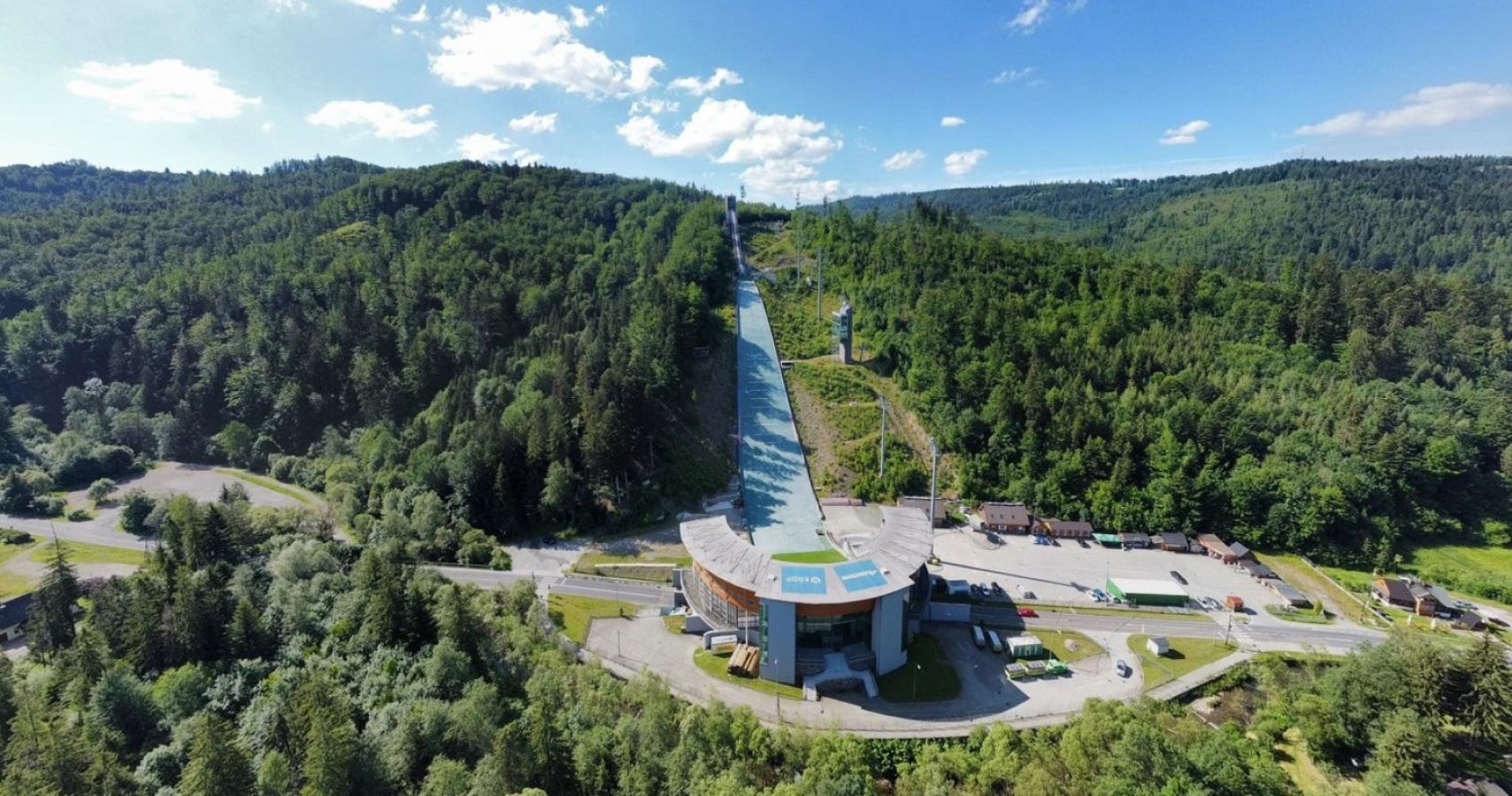
An example of a facility that combines logistics with a base for attractions is Vestina, a three-star mountain conference hotel located by road 942, less than a 2 km walk from the Adam Małysz Ski Jumping Hill. The ski jump itself can be visited, and taking the chairlift to the starting tower works well as an itinerary highlight for corporate groups. The wellness zone, opened in December 2025, includes two jacuzzis, a Finnish sauna, a steam bath, and a brine graduation tower with rattan loungers – in the evening, after an active day, the group has a place to slow down the pace.
Catering facilities are the second crucial element when organizing a trip. Vestina's restaurant serves breakfast buffets and dinners in the spirit of Polish and Beskid cuisine, and the outdoor Grill Hut allows for organizing a highlander feast with sausage roasting and live music. The surrounding area additionally provides a starting point for the Cieńków loop and horse-drawn sleigh rides in the Biała Wisełka Valley.
Attractions for teambuilding events in the mountains – summary
Good attractions for teambuilding events in the mountains share three common features: they engage the team in a specific activity, leave space for conversation, and refer to the local context. A program merely ticked off as a checklist ends in exhaustion, without any teambuilding effect.
The Silesian Beskids, thanks to their transport accessibility, variety of ski stations, and accommodation facilities, remain one of the most practical destinations for a corporate trip from southern and central Poland. The rest is a matter of tailoring the program to the specific people who will be going.